Ever found yourself scratching your head, wondering just how much auto insurance in Massachusetts might set you back? You’re not alone. With so many variables at play—from state regulations to personal factors—navigating the insurance landscape can feel like solving a Rubik’s cube blindfolded. But fear not, because we’re breaking it all down for you right here.
In this comprehensive guide, inspired by the analytical and insightful style of Backlinko, we’ll dive into the nitty-gritty of Massachusetts auto insurance. You’ll discover everything from legal requirements and cost influencers to strategies for saving on your premiums. So buckle up and get ready for a smooth ride through the world of auto insurance in the Bay State!
Understanding Auto Insurance Requirements in Massachusetts
Did you know that Massachusetts has some of the most stringent auto insurance laws in the U.S.? If you’re driving in the Bay State, it’s crucial to know what’s required. Otherwise, you could face hefty fines or worse—your vehicle could be taken off the road.
Massachusetts mandates specific minimum coverage levels for all drivers. These laws aren’t just guidelines; they’re requirements that you must abide by. Here’s what you need to know to stay compliant.
The Mandatory Minimum Coverage Requirements
In Massachusetts, the law requires bodily injury to others at a minimum of $20,000 per person and $40,000 per accident. But that’s not all. You also need personal injury protection (PIP) of $8,000, and uninsured motorist coverage of $20,000 per person and $40,000 per accident. Plus, the state asks for property damage coverage of $5,000 per accident.
Pro Tip: Even though these are the minimums, it’s often wise to opt for higher coverage limits to protect yourself adequately.
Types of Coverage Options Available
Massachusetts offers a variety of coverage options beyond the minimums. You can choose from comprehensive and collision coverage, both of which cover different aspects of potential damages. Comprehensive insurance covers non-collision-related incidents like theft or natural disasters. Meanwhile, collision insurance does what it sounds like—it pays for damages from accidents.
No-Fault Insurance System
Massachusetts operates on a no-fault insurance system, which means your insurance pays for your injuries regardless of who is at fault. While this can streamline the claims process, it can also impact your insurance premiums. The idea is to reduce the number of lawsuits, but it often results in higher premiums to cover the broader risk pool.
Acquiring Mandatory Coverage
Getting your mandatory coverage in Massachusetts isn’t difficult if you know what to do. Step #1: Shop around and compare quotes from at least three insurers. Step #2: Choose a plan that meets all legal requirements while providing the best value. Step #3: Ensure you receive proof of insurance before hitting the road.
Remember, compliance isn’t optional. Following these steps will keep you within the law and provide peace of mind while driving in Massachusetts.
Factors Influencing Auto Insurance Costs in Massachusetts
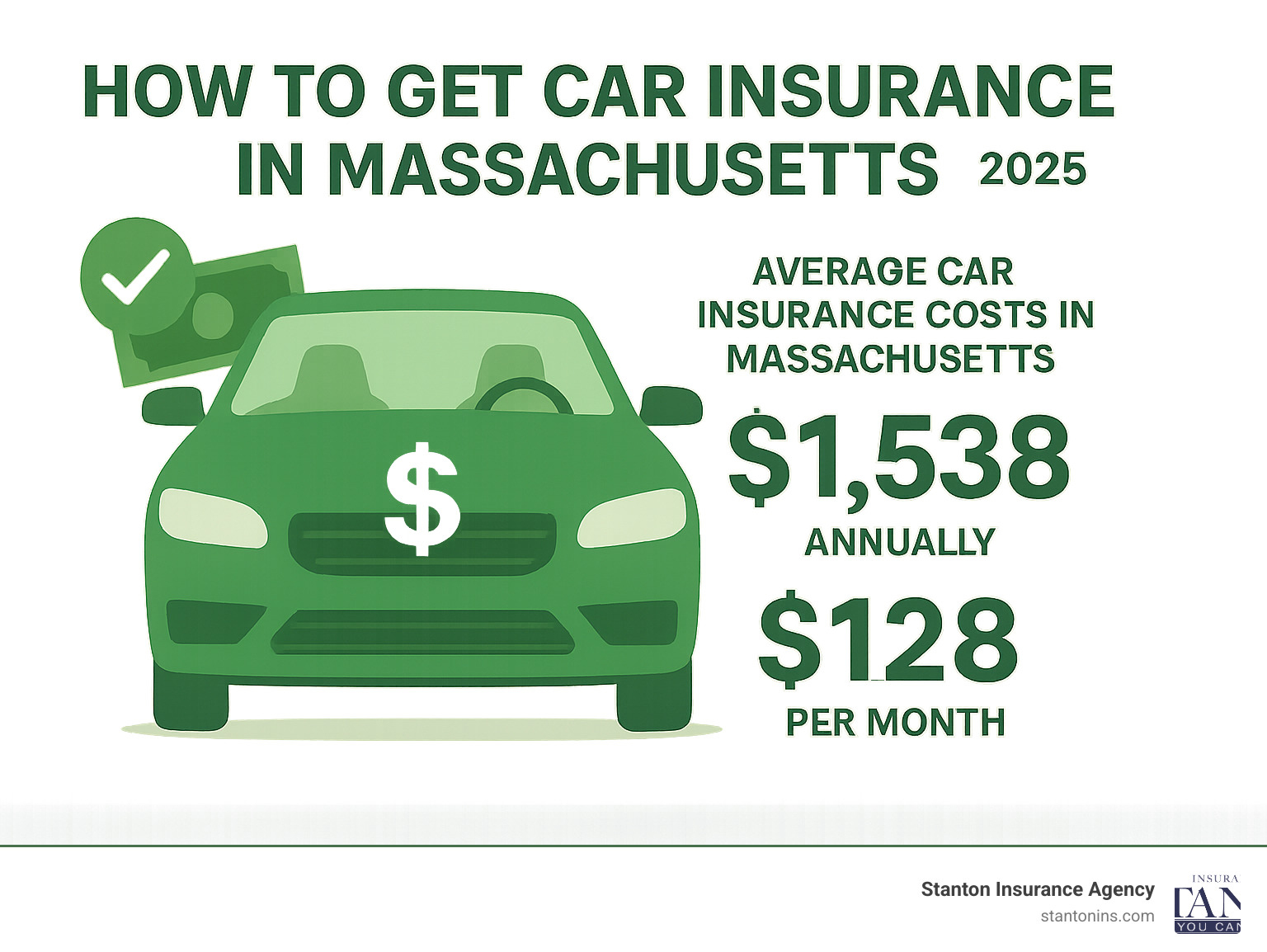
Did you know that the average cost of auto insurance in Massachusetts is $1,223 per year? BUT what really drives these costs up or down?
Auto insurance costs in Massachusetts are not just a random number drawn out of a hat. They’re influenced by a cocktail of factors that can either make or break your bank. While some of these factors are in your control, others aren’t. Let’s dive in!
Impact of Age, Driving Record, and Vehicle Type
It’s no secret that younger drivers often face higher premiums. Insurers see them as a higher risk because, statistically, they’re involved in more accidents. BUT the good news is, as you age, those premiums can drop—especially if you maintain a clean driving record.
Driving record is a biggie too. If you’re a safe driver without any accidents or traffic violations, insurers will reward you with lower rates. On the flip side, a spotty driving history can cause premiums to skyrocket.
Then there’s the type of vehicle you drive. Sporty or luxury cars usually cost more to insure. Why? They’re often more expensive to repair and attractive to thieves.
Location and ZIP Code Effects
Where you live in Massachusetts can drastically alter your insurance rates. Urban areas like Boston tend to have higher rates due to more traffic, crime, and accidents. Meanwhile, if you live in a quieter, rural area, your rates might be lower.
Insurance companies look at ZIP codes because they can predict the likelihood of claims being filed. High-risk areas often have higher premiums.
Comparison of Insurance Companies and Average Rates
Here’s a breakdown of how different insurers stack up in Massachusetts. This can help you decide who’s offering the best bang for your buck.
| Insurance Company | Average Annual Premium |
|---|---|
| Company A | $1,200 |
| Company B | $1,350 |
| Company C | $1,100 |
| Company D | $1,400 |
Pro Tip: Regularly shopping around and comparing quotes can save you a ton of money in the long run.
Comparing Auto Insurance Providers in Massachusetts
So, you’re shopping for auto insurance in Massachusetts? Choosing the right provider can be the difference between a financial headache and peace of mind. Let’s dive into what you need to know.
With numerous options, picking the best insurance provider can be like finding a needle in a haystack. BUT, understanding their offerings can make your decision a breeze.
Major Insurance Providers and Pricing
Here’s a comparison of major insurance providers in Massachusetts. This table highlights their average pricing:
| Provider | Average Annual Premium | Unique Offerings |
|---|---|---|
| Geico | $1,100 | Military Discounts |
| Progressive | $1,200 | Snapshot Program |
| State Farm | $1,150 | Safe Driver Discounts |
| Liberty Mutual | $1,300 | RightTrack Device |
Unique Offerings and Discounts
Each of these providers has something unique up their sleeve. Geico, for instance, is known for its fantastic military discounts. Are you a safe driver? State Farm rewards you with lower premiums.
Progressive offers a Snapshot Program that tracks your driving habits and could save you serious cash. Liberty Mutual’s RightTrack device is a game-changer for those who drive safely.
Pro Tip: Always ask about unique discounts when getting a quote. You could unlock savings you never knew existed.
Customer Reviews and Ratings
What do real customers say? Geico is praised for its responsive customer service, while Progressive is lauded for its seamless claims process. State Farm gets a thumbs-up for their personalized agent service.
On the flip side, some find Liberty Mutual’s pricing to be on the higher end. BUT, many agree that their customer support makes up for it.
Pros and Cons of Local vs. National Companies
Should you go local or national? National providers like Geico and Progressive offer competitive pricing and a wide range of services. They often have robust online systems for managing policies.
Local companies, however, might provide a more personalized touch. They know Massachusetts inside out and can tailor policies to meet local needs. Here is the deal: It boils down to what you prioritize more – personal service or comprehensive coverage.
Strategies to Reduce Auto Insurance Costs in Massachusetts
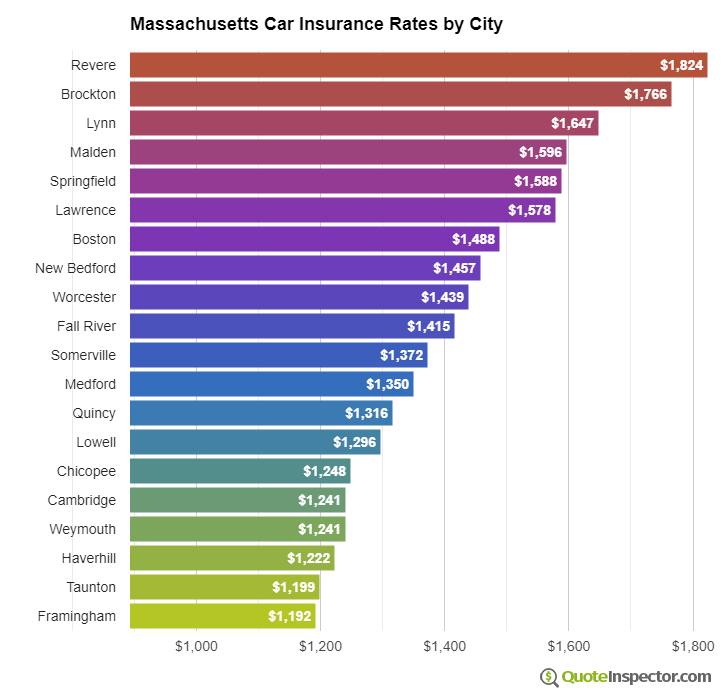
Is your auto insurance in Massachusetts burning a hole in your pocket? You’re not alone. But the good news is, there are proven strategies to slash those premiums.
Let’s dive into some effective methods to help you lower your auto insurance costs without compromising on coverage. Whether it’s bundling or improving your driving habits, there are several options you can explore.
Bundle Insurance Policies for More Savings
Did you know that combining your auto insurance with other policies like home or renter’s insurance can save you up to 25%? Insurance companies love it when you bring more business their way, and they reward you with hefty discounts.
Here’s the deal: You don’t need to shop around for each insurance type. By sticking to one provider for multiple insurances, you can cut down your costs significantly.
Practice Safe Driving to Earn Discounts
Safe driving doesn’t just save lives; it also saves dollars. Most insurers offer discounts for clean driving records.
If you avoid accidents and traffic violations, you could see a significant drop in your premiums. Enroll in a defensive driving course to earn further discounts and demonstrate your commitment to safe driving.
Pro Tip: Always ask your insurer about available discounts for safe driving.
Unlock More Discounts with These Tips
There are numerous ways to reduce your premiums, some of which you might not even be aware of. Check out these discounts:
- Good Student Discount: Available for students maintaining a B average or higher.
- Low Mileage Discount: If you drive less than the average amount per year.
- Multi-Car Discount: Insure more than one car with the same company.
- Occupational Discount: Some professions qualify for special rates.
- Loyalty Discount: Stay with the same insurer for a set period.
By leveraging these discounts, you can trim down your auto insurance expenses and keep more cash in your pocket. Don’t leave money on the table—ask your insurer for a full list of discounts and see which ones you qualify for.
Case Studies of Auto Insurance Pricing in Massachusetts
Ever wondered how much your neighbor is paying for auto insurance? You might be in for a surprise. Auto insurance costs in Massachusetts can vary dramatically based on several factors.
Let’s dive into some real-world case studies of different driver profiles to see how these factors play out. These examples will give you a clearer picture of what you might expect to pay and how you can potentially reduce your premiums.
Driver Profiles and Insurance Costs
Meet Sarah, a 30-year-old teacher from Boston. She drives a 2018 Honda Civic. Sarah’s clean driving record means she’s in luck: her annual premium is around $1,200. Now, compare that with Tom, a 40-year-old from Worcester, who has a speeding ticket. His premium jumps to $1,550 annually, all because of that one violation. See how important a clean record is?
Now, let’s talk about Emma, a 25-year-old new driver from Springfield with a 2015 Toyota Camry. As a newbie, her costs are higher, clocking in at $2,100 per year. But here’s the deal: after three years without an incident, she could see her premiums drop by nearly 20%!
Impact of Driving Records on Premiums
Think one accident won’t hurt your wallet? Think again. When John, a 50-year-old driver from Lowell, had a fender bender, his rates climbed by 25%. That’s a hefty increase for a small mishap. But here’s the flip side: maintaining a spotless record for a few years can bring those rates back down.
Insurance Claims and Future Premiums
Consider Lisa from Cambridge. After filing a claim for a minor accident, her insurance jumped by 30%. This increase stayed for nearly three years. So, should you always file a claim? Not necessarily—if the costs are manageable, paying out-of-pocket could save you in the long run.
Pro Tip: Weigh the cost of filing a claim against the potential rise in premiums. Sometimes, it’s cheaper to handle minor repairs yourself.
Vehicle Types and Insurance Pricing
Vehicle type is another major factor. For instance, driving a high-performance car like a 2020 Ford Mustang can set you back around $2,800 annually. Meanwhile, a more modest vehicle, such as a 2020 Toyota Prius, might cost just $1,400 per year to insure. Why the big difference? It’s all about risk. Sports cars often mean higher speeds and, unfortunately, higher chances of accidents.
| Driver | Vehicle | Annual Premium |
|---|---|---|
| Sarah | 2018 Honda Civic | $1,200 |
| Tom | 2017 Ford Escape | $1,550 |
| Emma | 2015 Toyota Camry | $2,100 |
| John | 2016 Chevrolet Impala | $1,800 |
| Lisa | 2019 Subaru Outback | $1,700 |
| Sports Car Driver | 2020 Ford Mustang | $2,800 |
| Eco-Friendly Driver | 2020 Toyota Prius | $1,400 |
Future Trends in Auto Insurance for Massachusetts Drivers
Did you know that the auto insurance market in Massachusetts is on the brink of transformation? With technology advancements and regulatory shifts, the landscape is set for significant changes.
Let’s dive into these emerging trends that could redefine how you buy and pay for auto insurance in Massachusetts.
Impact of Technology on Insurance Pricing and Policies
Technology isn’t just changing how you drive; it’s revolutionizing how insurers calculate your premiums. Telematics and usage-based insurance are becoming mainstream. The data your car generates can track your speed, braking habits, and even the time of day you drive.
This shift means safer drivers could see lower premiums. BUT, if you’re a riskier driver, this could mean higher costs. The idea is simple: pay for how you drive, not just who you are.
Pro Tip: Consider opting into telematics programs. They can offer discounts based on your actual driving habits.
Potential Regulatory Changes
Massachusetts regulators are eyeing changes that could shake up the auto insurance market. Proposals for more transparent pricing and stricter regulations on premium increases are being discussed.
If these changes pass, you might find it easier to compare rates and switch providers. Here is the deal: keeping an eye on these changes can help you spot opportunities to save money.
Demographic Shifts and Their Impact
Massachusetts is seeing significant demographic changes, and these shifts will impact auto insurance. Younger, tech-savvy drivers are entering the market, while the state’s aging population may reduce the number of cars on the road.
This evolving demographic could drive insurers to update their offerings, potentially leading to more personalized and flexible insurance packages. The key takeaway? Stay informed about these trends to better navigate the evolving auto insurance landscape.
Final Summary
As the road trip through Massachusetts auto insurance comes to a close, remember that knowledge truly is your best co-pilot. By understanding the ins and outs of coverage requirements, pricing factors, and cost-saving strategies, you’re equipped to make informed decisions that protect both your vehicle and your wallet. So, whether you’re a local exploring your options or a newcomer navigating new roads, approach your auto insurance journey with confidence and clarity. Drive safely and stay insured!
Common Queries
What are the minimum auto insurance coverage requirements in Massachusetts?
Massachusetts law requires drivers to have a minimum of $20,000 per person and $40,000 per accident for bodily injury, $5,000 for property damage, and personal injury protection coverage of $8,000.
How do age and driving record affect auto insurance premiums in Massachusetts?
Younger drivers and those with poor driving records typically face higher premiums due to increased risk factors.
Does my location in Massachusetts impact my auto insurance rate?
Yes, your location, including your ZIP code, can significantly affect your insurance rates due to varying risk levels associated with different areas.
What are some ways to reduce auto insurance costs in Massachusetts?
You can lower your premiums by maintaining a clean driving record, bundling insurance policies, and taking advantage of discounts for safe driving or low mileage.
How does the no-fault insurance system work in Massachusetts?
In Massachusetts, the no-fault system means that each driver’s insurance company covers their own policyholder’s medical expenses and lost wages, regardless of who was at fault, which can influence premium costs and claims processes.
