Hey there, savvy North Carolinians! Ready to unlock the secrets to finding the best insurance rates in NC? You’re in the right place. Insurance might not be the most thrilling topic, but saving money certainly is! Whether you’re insuring your car, home, or health, finding the right policy at the right price can make a world of difference in your financial life.
In this guide, we’ll dive deep into the world of insurance in North Carolina, exploring everything from the types of insurance available to the factors that influence those pesky rates. So, buckle up and get ready to become an insurance rate expert in no time!
Overview of Insurance Types in NC
Are you drowning in the sea of insurance options in North Carolina? You’re not alone. Let’s simplify the landscape of coverage types available in the Tar Heel State.
North Carolina offers a multitude of insurance types: from auto and home to health and life insurance. Each type has its own intricacies and factors impacting rates. Understanding these can save you a boatload of cash.
Different Types of Insurance Available in North Carolina
In NC, you can find auto insurance, which is mandatory for all drivers. There’s also homeowners insurance to protect your abode from unexpected disasters. Health insurance is another biggie, especially with recent changes in healthcare regulations. Don’t forget about life insurance to secure your family’s financial future.
- Auto Insurance: Legally required.
- Homeowners Insurance: Highly recommended.
- Health Insurance: Critical for medical emergencies.
- Life Insurance: Ensures financial security for loved ones.
Primary Factors Influencing Insurance Rates in NC
Ever wonder why your insurance rates fluctuate? Several factors come into play. Your driving record, credit score, and the type of vehicle you drive can significantly impact your auto insurance premiums. Similarly, the age and location of your home and your claims history affect homeowners insurance costs.
Pro Tip: Your credit score can make or break your insurance rate. Keep it in check!
Comparison of Insurance Types with a Focus on Cost-Effectiveness
Not all insurance types are created equal when it comes to cost. Auto insurance might feel like a small fortune every month, but it’s often less expensive than health insurance. Here’s a quick comparison to give you an idea of what you might be spending:
| Insurance Type | Average Annual Cost |
|---|---|
| Auto Insurance | $1,300 |
| Homeowners Insurance | $1,200 |
| Health Insurance | $5,000 |
| Life Insurance | $500 |
Legal Requirements for Insurance Coverage in North Carolina
Let’s talk legality. In North Carolina, auto insurance is non-negotiable. You’re required by law to have liability insurance at the very least. While homeowners, health, and life insurance aren’t legally required, they are highly recommended to protect your assets and wellbeing.
Understanding these basics can set you on the path to securing the best rates and coverage possible in NC.
Factors Affecting Insurance Rates in NC
Did you know your insurance rates could be affected by where you live and your credit score? It’s true! Insurance companies in North Carolina consider a variety of factors to determine your premium.
Let’s break down the elements that impact these rates so you can understand how to potentially save money on your insurance.
Impact of Credit Scores on Insurance Rates
Here’s the deal: your credit score can significantly affect your insurance rates in NC. A higher credit score often translates to lower premiums. Insurance companies see customers with excellent credit as less risky. So if your credit score is on the lower side, you might end up paying more.
Pro Tip: Improve your credit score by paying bills on time and keeping your credit card balances low. This can lead to substantial savings on insurance.
How Location Influences Premiums in NC
Where you live in North Carolina is more than just an address—it’s a factor that insurance companies scrutinize. Urban areas tend to have higher rates due to increased traffic and crime rates, while rural areas might offer cheaper premiums. BUT, there’s a catch! Some coastal areas prone to hurricanes might see higher rates even if they’re rural.
Check out this table comparing how different factors impact insurance rates in NC:
| Factor | Impact on Rates |
|---|---|
| Credit Score | High Impact – Better score leads to lower rates |
| Location (Urban vs Rural) | Moderate Impact – Urban areas have higher rates |
| Location (Coastal vs Inland) | High Impact – Coastal areas might have higher rates |
By understanding these factors, you can take the steps necessary to potentially lower your insurance costs. Every small adjustment can add up to big savings!
Strategies to Find the Best Insurance Rates
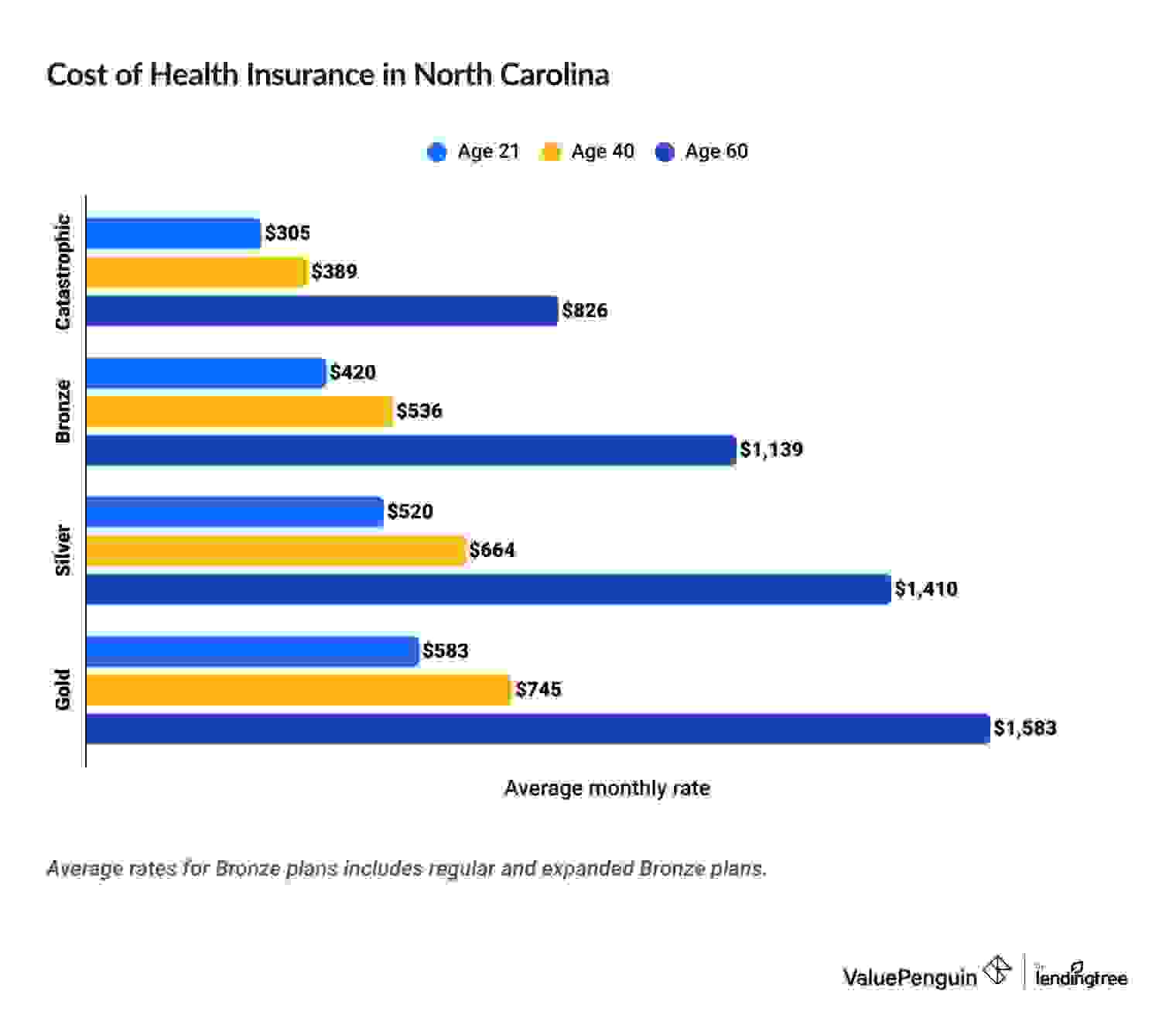
Ever feel like you’re paying too much for insurance? You’re not alone. In North Carolina, finding the best rates can be a challenge. BUT with the right strategies, you can save a significant amount on your premiums.
Here’s the deal: Many people overpay because they don’t know how to effectively research and compare rates. Let’s change that.
Researching and Comparing Insurance Rates in NC
Step #1: Use comparison websites to get a quick overview of available rates. These platforms do the heavy lifting by aggregating rates from multiple providers, saving you time and effort.
Step #2: Check state insurance websites. The North Carolina Department of Insurance offers resources that can give you insights into rates and insurance company reliability in the state.
Step #3: Speak with an insurance broker. They can provide personalized advice and may have access to exclusive rates you won’t find online.
Negotiating Better Insurance Rates
Here’s a secret: Not many people think to negotiate their insurance rates. But you can!
Step #1: Gather quotes from different providers. Use these quotes as leverage when speaking to your current insurer. Ask if they can match or beat the competition.
Step #2: Inquire about discounts. Whether it’s bundling home and auto insurance or having certain safety features, ask what discounts you qualify for.
Step #3: Review your deductible options. Sometimes raising your deductible can significantly lower your premium. Just make sure you can afford the deductible if you need to file a claim.
Pro Tip: Always get your negotiations in writing to avoid misunderstandings later on.
Evaluating Insurance Quotes Effectively
Evaluating insurance quotes isn’t just about finding the lowest price. It’s about comparing coverage levels and policy terms too.
| Criteria | What to Check |
|---|---|
| Coverage Types | Ensure it meets your needs (e.g., liability, comprehensive) |
| Limits | Be clear on the maximum payout for different coverage types |
| Exclusions | Read the fine print to know what’s not covered |
| Customer Reviews | Check other customers’ experiences with claim processing |
Tips for Reducing Insurance Costs
Looking to cut down on your insurance expenses? Here are some quick tips:
- Maintain a good credit score to access better rates.
- Take advantage of multi-policy discounts by bundling different types of insurance.
- Drive safely to qualify for safe driver discounts.
- Re-evaluate your insurance needs annually to avoid over-insurance.
Top Insurance Providers in North Carolina
Did you know that choosing the right insurance provider can save you hundreds of dollars each year? In North Carolina, you have a buffet of options, ranging from national giants to local heroes.
The question is, which one should YOU trust with your hard-earned money? Let’s dive in.
Popular Insurance Companies in North Carolina
First off, let’s list out the heavy hitters. North Carolina is home to some of the biggest names in the insurance game. But how do they stack up against each other?
- State Farm
- Nationwide
- Farm Bureau
- Allstate
- Progressive
National vs. Local Insurers: The Pros and Cons
National insurers often boast comprehensive coverage and a robust network. But here’s the deal: they can lack the personal touch. Local insurers, on the other hand, may offer more tailored services but might not have the same expansive options.
So, which is better? It really depends on what YOU value most. Do you prefer a personal relationship with your agent, or are you looking for maximum coverage options?
Coverage Options and Rates Comparison
Now, let’s break down the coverage options and rates. This is crucial because not all policies are created equal.
| Provider | Coverage Options | Average Rate |
|---|---|---|
| State Farm | Auto, Home, Life, Health | $1,200/year |
| Nationwide | Home, Auto, Renters, Business | $1,150/year |
| Farm Bureau | Auto, Home, Farm, Life | $1,100/year |
| Allstate | Auto, Home, Renters, Motorcycle | $1,300/year |
| Progressive | Auto, Home, Motorcycle, Boat | $1,250/year |
Consumer Reviews and Ratings
When it comes to choosing an insurer, what other consumers say can be a game-changer. State Farm is well-reviewed for its customer service, while Progressive is favored for its competitive rates.
Pro Tip: Always check customer reviews before signing up for any policy. This could save you a lot of headaches later.
In North Carolina, Farm Bureau often stands out for its local expertise. BUT, Nationwide and Allstate are not far behind when it comes to customer satisfaction.
Common Mistakes to Avoid When Choosing Insurance
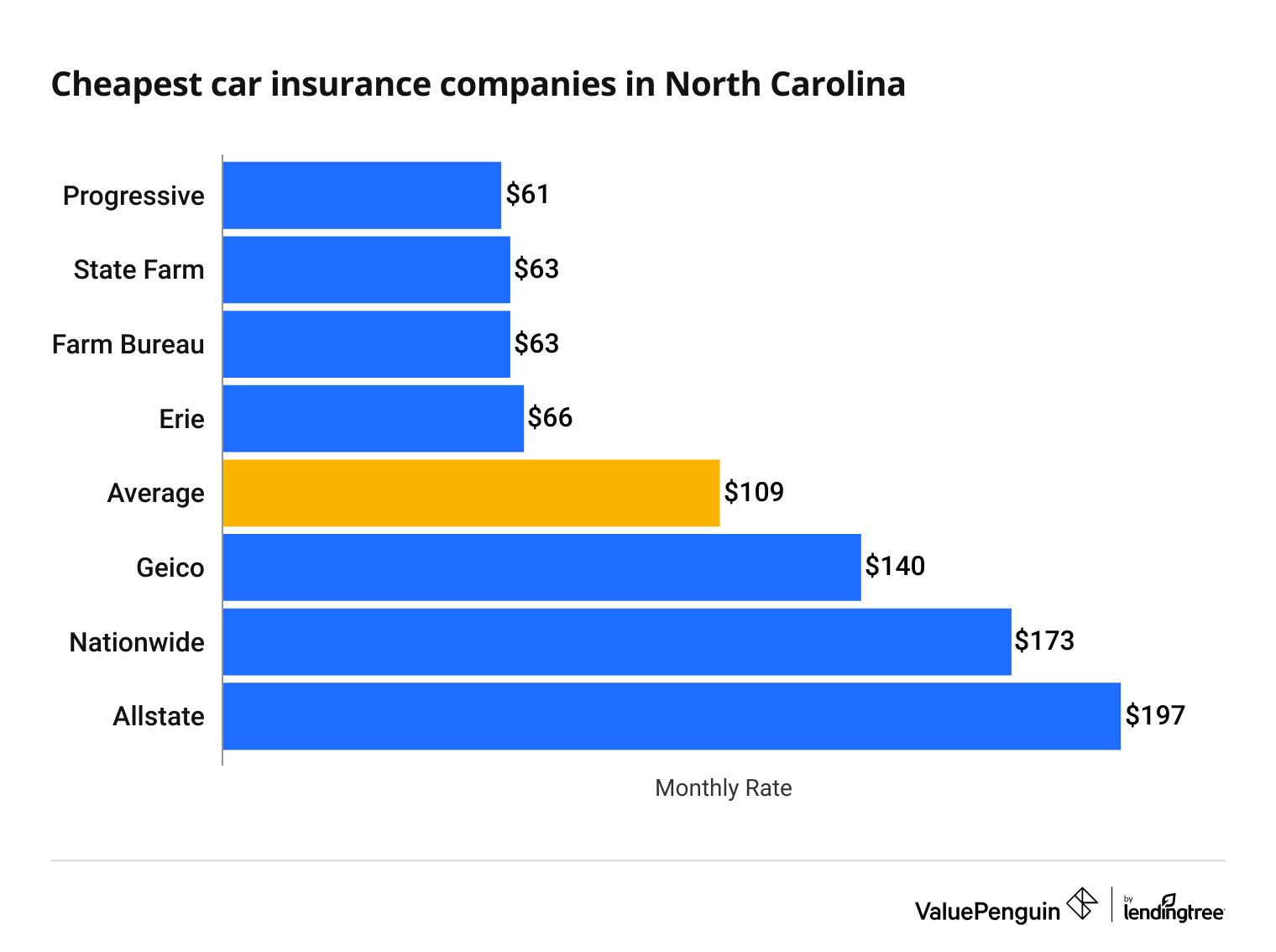
Picking the right insurance isn’t like grabbing a snack from the vending machine. It’s a decision that can haunt you if you choose poorly. Let’s dive into some common pitfalls.
Understanding the details of your insurance plan is crucial. Skipping the fine print? That’s asking for trouble. Many policyholders find themselves surprised by hidden fees or unexpected coverage limitations.
Misinterpreting Policy Terms and Conditions
Many folks treat the policy document like it’s written in another language. But ignoring these terms can lead to nasty surprises. Whether it’s a coverage gap or a clause that limits your claims, overlooking these details can be costly.
Here’s the deal: if a term seems confusing, ask for clarification. You’re not just a policyholder; you’re a customer deserving of clear information.
Overlooking Hidden Fees
Insurance companies can be sneaky with fees. A low premium might catch your eye, but additional costs can lurk beneath the surface. Administrative fees, service charges, or penalties for early termination can inflate your costs dramatically.
Pro Tip: Always ask for a breakdown of all potential fees before signing on the dotted line.
The Long-term Impact of Choosing the Wrong Plan
Picking the wrong insurance isn’t just a short-term hassle; it can have lasting effects on your finances and peace of mind. Imagine needing coverage and finding out your plan is inadequate. Not fun, right?
But it gets worse. Switching plans frequently due to dissatisfaction can be a time-consuming and expensive process. So, make sure you invest the time to choose wisely upfront. Your future self will thank you.
Future Trends in NC Insurance Rates
Did you know that insurance rates in North Carolina could skyrocket due to climate change? As if that wasn’t enough, demographic shifts are also shaking things up. Let’s dive into what the future holds for insurance in NC.
Insurance isn’t just about managing risks from the past—it’s about predicting the future. If you’re not aware of emerging trends, you might be caught off guard. Here’s what you need to watch out for as you consider your insurance options.
Climate Change and Its Impact on Future Insurance Premiums
Climate change is no longer a distant worry—it’s here, and it’s expensive. We’re seeing more frequent and severe weather events, which translates into higher risks for insurers. This means higher premiums for you. The crazy thing? The frequency of hurricanes and floods in NC could make some areas practically uninsurable.
Pro Tip: Consider bundling your insurance policies. It could save you a small fortune in future rate hikes.
Demographic Shifts and Insurance Demands
North Carolina is rapidly growing, with new residents flooding in from other states. This demographic shift is changing the insurance landscape. More people means more cars, more homes, and consequently, more insurance claims. But here’s the deal: Not all areas will be affected equally. Urban centers will likely see different rate changes compared to rural areas.
Projected Insurance Rate Changes Over the Next Decade
Curious about what the next ten years could look like? This table breaks down projected insurance rate changes across various sectors in NC:
| Year | Home Insurance Rate (%) | Auto Insurance Rate (%) | Health Insurance Rate (%) |
|---|---|---|---|
| 2024 | 5% | 3% | 4% |
| 2026 | 7% | 4% | 5% |
| 2028 | 10% | 6% | 6% |
| 2030 | 12% | 8% | 7% |
As you can see, the trends are clear. Rates are going up, and it’s not just a minor bump. Are you ready to tackle these changes head-on? It’s time to get strategic about your insurance.
Conclusion
And there you have it! Navigating the insurance landscape in North Carolina doesn’t have to be daunting. By understanding the various factors that affect rates and equipping yourself with savvy strategies, you can secure the best insurance coverage at the most competitive prices. Remember, knowledge is power, and now you’re armed with everything you need to master your insurance needs in the Tar Heel State. Stay informed, shop smart, and keep those premiums in check!
Frequently Asked Questions
What types of insurance are available in North Carolina?
North Carolina offers a range of insurance options including auto, home, health, and life insurance, among others.
What factors influence insurance rates in NC?
Insurance rates in NC are influenced by factors such as credit scores, location, and personal demographics.
How can I find the best insurance rates in NC?
Research, compare quotes from multiple providers, and negotiate with insurers to find the best rates.
Are there legal requirements for insurance coverage in NC?
Yes, North Carolina has specific legal requirements for auto insurance coverage, among others.
What are common mistakes to avoid when choosing insurance in NC?
Avoid misunderstanding policy terms, overlooking hidden fees, and rushing into decisions without comparing options.
