Picture this: You’re a small business owner, thriving in a bustling marketplace, but lurking in the shadows are risks that could bring your business to its knees. That’s where small business insurance steps in. It’s not just paperwork; it’s your business’s safety net, ensuring that a slip or a storm doesn’t stop your entrepreneurial dreams in their tracks.
Let’s dive into the world of small business insurance, where we’ll uncover the three crucial types of coverage every small business should consider. From shielding against liabilities to safeguarding your property and caring for your team, small business insurance is your unsung hero. Discover its importance, navigate the options, and learn how to make savvy choices for your business’s future.
Introduction to Small Business Insurance
Did you know that 40% of small businesses never reopen after a disaster? That’s a scary stat. But there’s a way to protect your business: insurance.
Insurance is your safety net, shielding your business from unexpected hits. Whether it’s property damage, a lawsuit, or a natural disaster, insurance can keep your business afloat.
Common Risks Faced by Small Businesses
From theft to natural disasters, small businesses face a variety of risks daily. Imagine coming to work one morning and finding your office ransacked. Without insurance, you’re left footing the bill.
Business interruption, liability claims, and employee injuries are just a few examples of threats that can derail your operations. These risks are not just hypothetical—they’re happening every day.
Types of Insurance Policies for Small Businesses
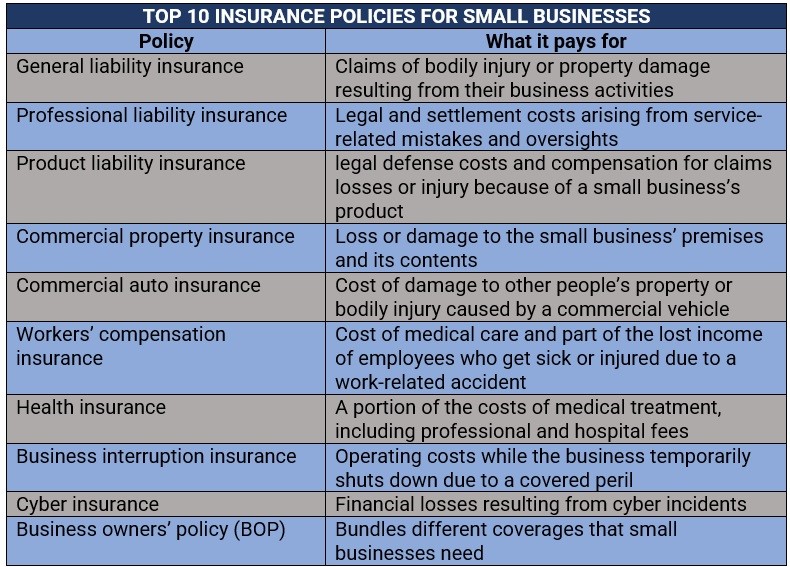
So, what kind of insurance do you need? Here’s the deal: it depends on your business. But generally, you should consider the following:
| Insurance Type | Benefits |
|---|---|
| General Liability Insurance | Protects against lawsuits for injuries or damages. |
| Property Insurance | Covers damage to your building and equipment. |
| Workers’ Compensation | Provides for employee medical expenses due to workplace injuries. |
| Business Interruption Insurance | Compensates for lost income during periods of downtime. |
Pro Tip: Bundle your policies to save money and streamline management.
Here’s the deal: safeguarding your business with the right insurance policies isn’t just smart—it’s essential. Don’t wait until it’s too late.
Types of Small Business Insurance
Did you know that 40% of small businesses are likely to experience a claim in the next decade? Insurance isn’t just a safety net; it’s a necessity. Here’s the deal: understanding the types of small business insurance can make or break your business.
Choosing the right insurance can feel like navigating a minefield. BUT the good news is, you only need to focus on three main types: liability, property, and workers’ compensation. Let’s break them down.
Liability Insurance
Liability insurance is a must-have for any business that interacts with customers or clients. If someone gets hurt or their property is damaged because of your business, liability insurance has your back.
- Protection against legal claims
- Covers medical expenses
- Safeguards against property damage claims
Think about a bakery where a customer slips and falls. Liability insurance covers their medical bills, saving you from an unexpected financial hit.
Property Insurance
Natural disasters, theft, vandalism. They’re not just headlines—they could happen to your business. Property insurance covers the physical assets of your business, from buildings to inventory.
- Covers repair and replacement costs
- Protects inventory and equipment
- Includes loss of income protection
Imagine a boutique clothing store hit by a flood. Property insurance ensures you can replace damaged inventory and repair your shop.
Workers’ Compensation Insurance
Your employees are your biggest asset. BUT accidents happen. Workers’ compensation insurance covers medical expenses and lost wages if an employee gets injured at work.
- Ensures employee protection and peace of mind
- Reduces liability for workplace injuries
- Legal requirement in most states
Pro Tip: Ensure you comply with state regulations to avoid hefty fines.
Take a construction company, for example. Workers’ comp covers medical costs when accidents occur, keeping both the employee and business safe.
| Type | Covers | Who Should Get It |
|---|---|---|
| Liability Insurance | Legal claims, medical expenses, property damage | Customer-facing businesses |
| Property Insurance | Repair costs, inventory, income loss | Brick-and-mortar stores, manufacturers |
| Workers’ Compensation | Employee injuries, medical bills, lost wages | Businesses with employees |
Choosing the Right Insurance for Your Business
Did you know that 40% of small businesses will file an insurance claim in the next ten years? Finding the right insurance isn’t just smart—it’s essential for survival. But how do you choose the right coverage for your unique business needs?
Here is the deal: Selecting the right insurance isn’t a guessing game. You need a plan with clear steps to ensure you’re covered on all fronts. Let’s dig in.
Factors to Consider When Selecting Insurance
The first step is understanding your business’s specific risks. Think about what could go wrong and how much it would cost to fix. Your location, industry, and even the number of employees can dramatically impact the type of insurance you need.
Step #1: Identify the common risks in your industry. Are you in retail with a lot of foot traffic or tech with sensitive data? Each has its own set of risks that insurance must cover.
Step #2: Assess the value of your assets. Consider everything from your workspace to your inventory. More valuable assets mean you’ll need more coverage.
Step #3: Evaluate legal requirements. Some states or industries have specific insurance mandates. Don’t overlook these, or you could face hefty fines.
Evaluating Your Insurance Needs
Once you know your risks, it’s time to evaluate your insurance needs. This requires a proactive approach.
- List potential risks and worst-case scenarios.
- Calculate the financial impact of each risk.
- Determine which risks you can self-insure and which require external coverage.
Pro Tip: Always revisit your insurance needs annually. Businesses evolve, and so should your coverage.
Decision-Making Framework Based on Business Type
Different businesses require different insurance solutions. Use this framework to guide your decision-making process:
| Business Type | Suggested Insurance Types |
|---|---|
| Retail | General Liability, Property, Business Interruption |
| Technology | Professional Liability, Cyber Liability, E&O |
| Service-Based | Professional Liability, Business Owner’s Policy |
Common Pitfalls in Selecting Business Insurance
Don’t fall into these traps while choosing insurance. Avoid underestimating your risks—this can leave you vulnerable. Overlooking policy exclusions is another frequent mistake. It’s those tiny clauses that can make or break your coverage.
Also, make sure you’re not over-insuring. Paying for more coverage than you need can strain your budget without additional benefits. Stay informed and ask your insurance provider questions to ensure you have a keen understanding of your coverage.
Cost of Small Business Insurance
Did you know that nearly 40% of small businesses never reopen after a disaster because they didn’t have insurance? OUCH. That’s why understanding your insurance costs is crucial.
The cost of insurance can make or break a small business. It’s not just a monthly bill—it’s your safety net. Let’s dive into what affects these costs.
Factors Influencing Insurance Premiums
Insurance premiums aren’t just pulled out of thin air. They’re determined by several key factors. The industry you’re in plays a significant role. For example, a construction business will likely pay more than a retail shop. Your business location matters too. Are you in an area prone to natural disasters? Expect higher premiums.
Other factors include your business size and the number of employees. The bigger you are, the more coverage you’ll need. And don’t forget about your claim history. A clean slate could mean lower costs.
Cost Estimation Methods
Understanding how much you’ll pay is crucial for budgeting. Here’s a straightforward breakdown:
| Coverage Level | Estimated Monthly Cost |
|---|---|
| Basic | $50 – $100 |
| Standard | $100 – $500 |
| Comprehensive | $500 and up |
Pro Tip: Bundle your policies to potentially reduce your overall costs significantly.
Methods to Reduce Insurance Costs
No one wants to overspend on insurance, and you don’t have to. Shop around. Get multiple quotes and compare them. Raise your deductible. A higher deductible can lead to lower monthly payments. But be ready to pay more out-of-pocket if you file a claim.
Implement a risk management strategy. Insurance companies love proactive clients who take steps to minimize risks. Consider safety training for employees or upgrading your security system.
Average Costs for Different Business Types
Ever wonder how your insurance costs stack up against other businesses? Here’s a quick comparison:
| Business Type | Average Annual Cost |
|---|---|
| Retail | $500 – $1,200 |
| Tech Start-Up | $1,000 – $2,500 |
| Construction | $2,500 – $5,000 |
Remember, these are just averages. Your specific costs will depend on the factors we’ve discussed. Stay informed to make the best decisions for your business.
Benefits of Having Small Business Insurance
Did you know that 40% of small businesses never reopen after a disaster? Insurance can be a game-changer. It’s your safety net when things go south.
Insurance is more than just a safety net; it’s a lifeline for your business. When unexpected events strike, insurance can protect you from financial ruin. That’s not just theory—it’s a reality many businesses have faced and survived, thanks to being insured.
Protection Against Financial Losses
Imagine a fire breaks out in your store. The costs could spiral into the hundreds of thousands for repairs and lost inventory. Without insurance, you’d be paying that out-of-pocket. That’s where insurance steps in, covering those massive expenses and keeping your business afloat.
Preventing Bankruptcy
Picture this scenario: a customer slips and falls on your premises. They sue you for medical expenses and damages. If you’re not insured, legal fees alone could bankrupt you. But with insurance, these costs are covered, saving you from financial disaster.
“I thought it was just a leak, but it turned into a flood. The damages were extensive. If it weren’t for my insurance, my business wouldn’t have survived.” – Local Cafe Owner
Enhancing Business Credibility and Trust
Having insurance isn’t just about protection; it’s also about credibility. Customers feel safer knowing you’re covered. It shows you care about your business and your clients. This trust can translate into more sales and loyal customers.
Testimonials Highlighting Insurance Benefits
Here’s the deal: real businesses have thrived because they invested in insurance. Take the case of a small tech startup. A sudden hardware failure could have led to massive data loss. But their insurance policy covered the data recovery costs, allowing them to continue operating without a hitch.
“We faced a major lawsuit over a project delay. Our insurance covered the legal fees and settlement costs. It was a lifesaver.” – IT Consultancy Firm CEO
Updating and Maintaining Small Business Insurance
When was the last time you updated your small business insurance policy? If you’re scratching your head, you’re not alone. Many business owners set their policies and forget them. BUT, that’s a mistake. Regularly reviewing and updating your insurance can save you from nasty surprises down the road.
Think of your insurance policy as a living document. As your business evolves, so should your coverage. Whether you’re expanding your operations or buying new equipment, you need to ensure your policy reflects these changes. Here’s the deal: insurance isn’t a one-size-fits-all product, and keeping it up-to-date is crucial.
Checklist for Evaluating Your Insurance Policy
To keep your insurance policy in top shape, follow this maintenance checklist. It ensures that you won’t miss any critical updates that could leave your business vulnerable.
- Review your policy annually to ensure it aligns with your current business size and operations.
- Check for any new regulations that might affect your coverage needs.
- Assess any changes in assets, like equipment upgrades or new property.
- Confirm your liability coverage accounts for current risks associated with your business activities.
- Consult with your insurance agent to discuss potential discounts or bundling options.
Adjusting Coverage as Your Business Grows
Businesses don’t stay static, so why should your insurance? As you scale, your risks and liabilities change. Don’t let your coverage lag behind. Keep it aligned with your growth trajectory.
Step #1: Assess your current and future plans. Are you expanding into new markets or launching a new product line? Each shift might require an insurance tweak.
Step #2: Discuss these changes with your insurance provider. They’ll help tailor your coverage to mitigate emerging risks. Pro Tip: If you’re unsure about the extent of change needed, ask your provider for a risk assessment. This can pinpoint areas that need boosting.
Filing an Insurance Claim
Accidents happen. But when they do, are you prepared to file a claim efficiently? Understanding the process can speed up your recovery time and reduce stress.
Here’s a quick rundown: After an incident, document everything. Photos, witness statements, and receipts are your best friends here. Then, contact your insurer immediately and provide all necessary documentation.
Your insurer will guide you through the steps, but having a detailed record speeds things up. Expect an adjuster to assess your claim. They will determine the extent of coverage and the compensation. Pro Tip: Stay proactive. Follow up regularly and keep all communication records. This ensures you’re not left in the dark during the process.
Last Word

As a small business owner, understanding and investing in the right insurance is like building a fortress around your livelihood. The right coverage not only protects your assets but also boosts your credibility, enhancing trust with clients and stakeholders alike. Now armed with knowledge about the three essential types of small business insurance, you’re better equipped to secure your business’s future. Don’t leave your success to chance; ensure it with the right insurance today!
Frequently Asked Questions
What are the three main types of small business insurance?
The three main types are liability insurance, property insurance, and workers’ compensation insurance, each providing crucial coverage for different aspects of your business operations.
Why is small business insurance important?
Small business insurance protects against financial losses due to unforeseen risks, such as legal claims, property damage, or employee injuries, ensuring business continuity.
How can I determine the right insurance for my business?
Consider factors such as your industry risks, business size, and specific liabilities to choose appropriate coverage. A detailed evaluation of your business needs is essential.
Can small business insurance reduce business costs?
Yes, by preventing large financial setbacks due to unexpected events, small business insurance can ultimately save money and safeguard your financial health.
What are the common pitfalls in selecting business insurance?
Common pitfalls include underestimating coverage needs, ignoring specific industry risks, and not regularly updating policies as the business evolves.
